

We’re one week from election day, various polls are showing a very close race for mayor and people are freaking out about the low turnout so far after advance voting week.
About the only outcome you can predict at this point is that almost every candidate will win without picking up a clear majority of the votes cast.
This will happen because of a known bug in the Canadian electoral system. It’s the person who gets the most votes who wins, not the person who crosses the majority-has-spoken threshold.
This is why a candidate – whether for mayor or council – should include election reform on their platform and set themselves apart from their opponents.
Particularly, they should propose changes to Alberta’s Local Authorities Election Act to allow municipalities to use ranked ballots in their elections.
With four current and former councillors running for mayor, plus the inclusion of political parties for the first time, it’s easy to imagine one of them will win with only 40 per cent of the votes. Perhaps even fewer than that.
In the 2021 election, Jyoti Gondek was elected mayor grabbing 45 per cent of the votes in a crowded field of 27 candidates.
If she wins again with even less support this time around, there is no doubt a certain number of Calgarians will be hollering in the streets that she doesn’t truly represent the city. Those sentiments would be further exacerbated if only 35 per cent of eligible voters turned out to do their basic civic duty.
We’ll see it with city councillor races too.
In the previous election, only one winning candidate received more than half of the votes in their ward: Peter Demong in Ward 14. Ward 7 councillor, Terry Wong, won with only 25 per cent support, which was the lowest vote share of all the winners.
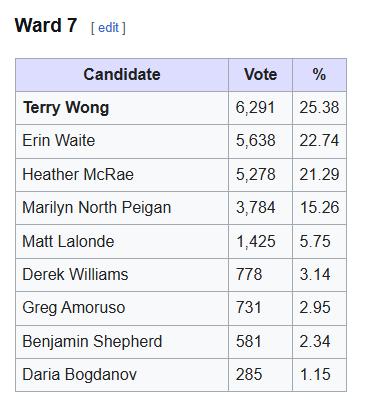
Ranked ballots would prevent this from occurring again.
Voters would have the ability to choose multiple candidates, numbering them by order of preference. If a candidate doesn’t reach 50 per cent support after the first count, the person in last is dropped and their supporters’ second choice votes are distributed to the remaining field. This repeats until someone crosses the 50 per cent mark needed to win.
It’s not perfect but it’s a big step up from our current system. Ranked ballots ensure the winning candidate has received a proper mandate from voters. It also forces them to broaden their thinking and offer a vision of how they want to lead that appeals to a wider spectrum of voters.
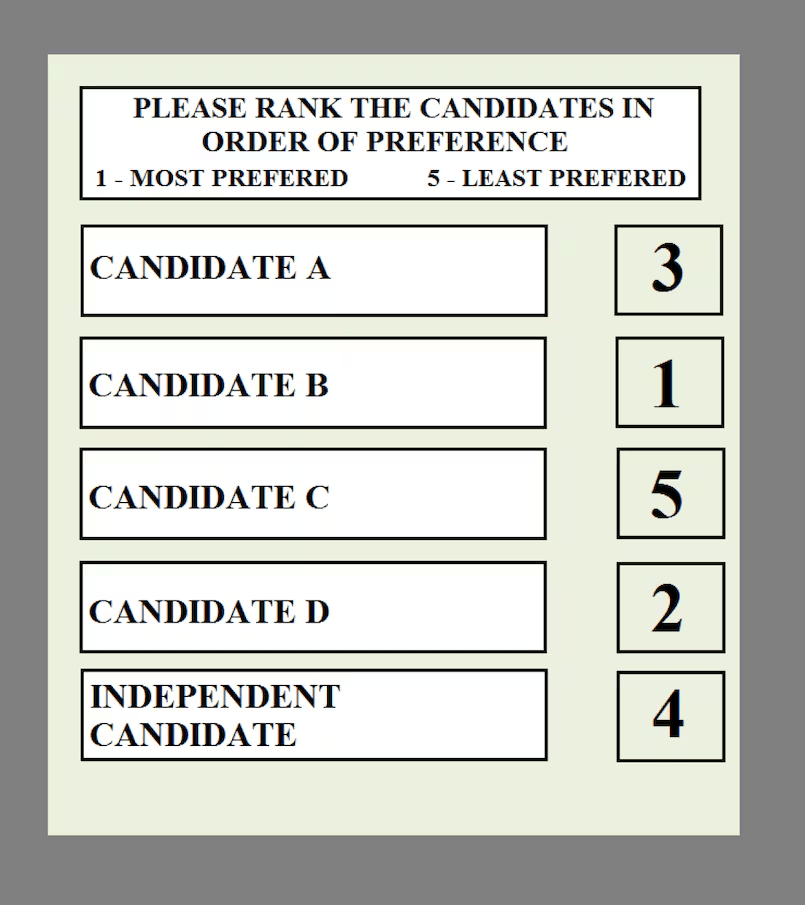
Calgary had ranked ballot voting up until the 1970s so it’s not a completely foreign concept. Albertans also figured out how to extract oil out of sand. Surely, we can get accustomed to writing a few numbers next to a candidates’ names.
If it sounds too complicated, then you have to wonder why every political party uses this voting method to elect its leader. In the case of both Premier Danielle Smith and Prime Minister Mark Carney, party members used ranked ballots to put them directly into power.
Ranked ballots would increase turnout as well. Voters would be armed with the belief their votes are not wasted on candidates they actually like but who don’t seem to have a chance. At least they get a shot and then their following votes are passed down the line.
This is the modern way to vote and is better for running elections in a city full of diverse backgrounds and opinions.
It’s time to push for change in our electoral system that truly strengthens our democracy and delivers results that are much more reflective of what voters want.
 andrewng.media